

Orders Move Fast. Your Systems Don’t. That’s the Real Problem
An order is placed. Within seconds, it appears in your system. A confirmation is triggered. The warehouse prepares to act.
Everything feels immediate.
But what happens next is where reality begins to diverge from expectation.
The system pauses. Not visibly, not dramatically but just enough to matter. Data moves between layers. Updates wait to sync. Processes depend on signals arriving from somewhere else.
And in that small, almost invisible delay, the entire operation begins to lose alignment.
The Space Between Action and Execution
From the outside, warehouse operations look continuous. Orders come in, items are picked, packages are shipped.
But inside the system, things are not as fluid.
There is always a gap between:
- When something happens
- And when the system reflects it
That gap is where most warehouse inefficiencies live.
It’s not picking speed.
It’s not in workforce performance.
It’s in the delay between action and system awareness.
What Happens After the Click
A customer places an order.
That order doesn’t immediately become an operational reality. It travels—through systems, APIs, queues, and integrations—before it becomes actionable inside the warehouse.
By the time it reaches the floor:
- Inventory may already be outdated
- Priorities may have shifted
- Dependencies may have changed
The warehouse team doesn’t see the order as it happened.
They see it as the system delivers it.
.jpg)
When Systems Start Chasing Operations
Modern warehouses move fast.
Orders spike unpredictably. Inventory shifts constantly. Operations adapt in real time.
But most systems don’t.
They process.
They sync.
They catch up.
This creates a fundamental imbalance:
Operations move forward
Systems follow behind
And when systems are always behind, decisions are always slightly off.
The Cost of Being “Almost Real-Time”
Many organizations believe they are operating in real time.
In reality, they are operating in near real-time—which is not the same.
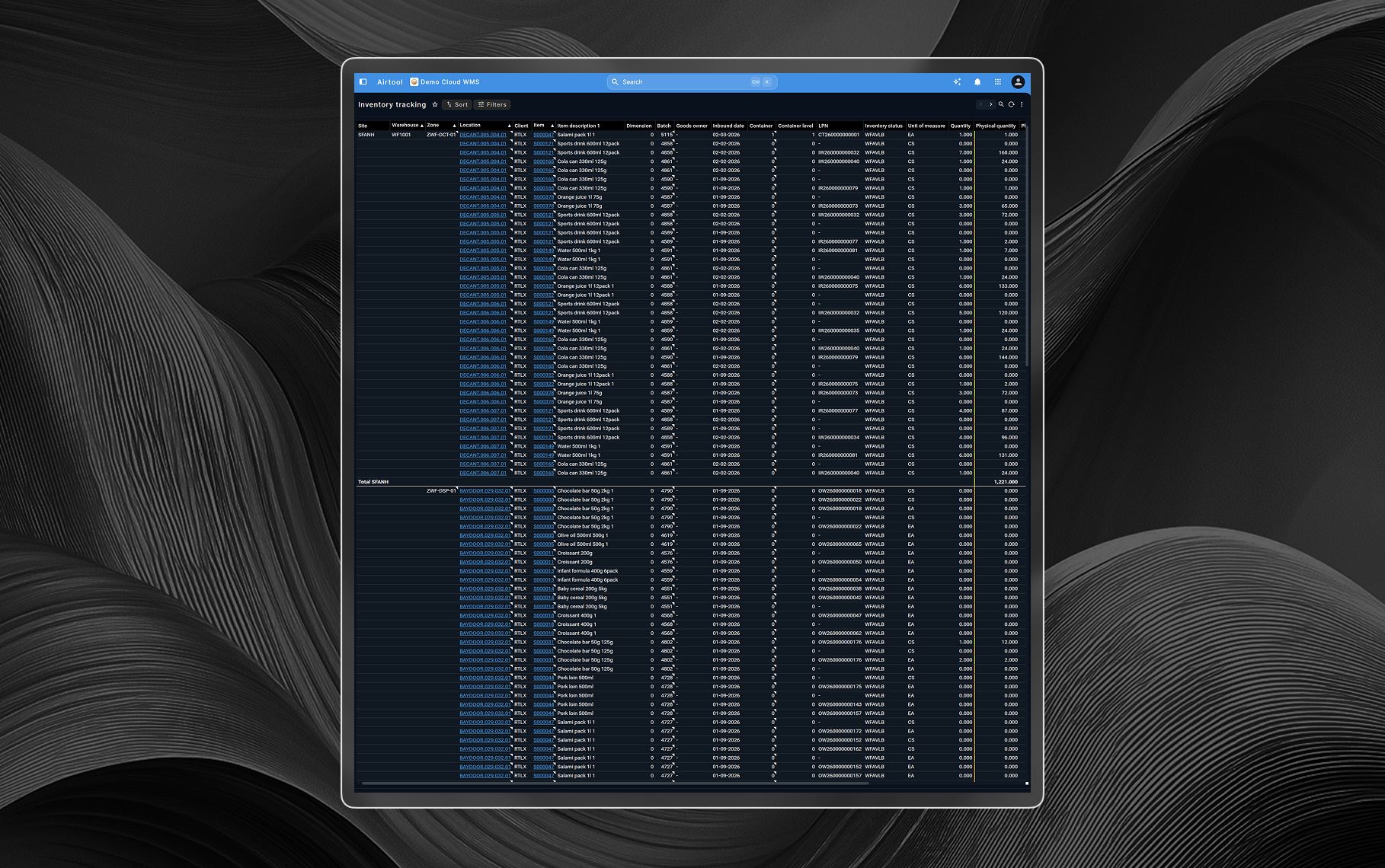
Even small delays can create:
- Inventory discrepancies
- Order fulfillment errors
- Misaligned priorities
- Reactive decision-making
Individually, these seem minor.
But at scale, they compound into something much larger:
A warehouse that is constantly correcting itself instead of running smoothly.
Why This Isn’t a WMS Problem
It’s easy to assume the issue lies within the Warehouse Management System.
But that’s only part of the picture.
Even advanced platforms from SAP or Oracle are designed to operate within a broader system landscape.
They depend on:
- External order systems
- Financial platforms
- Data pipelines
- Integration layers
Which means the WMS is not the system.
It’s a component within a larger, fragmented structure.
The Delay You Can’t See But Always Feel
Ask any operations manager, and they won’t describe the problem as “system latency.”
They’ll describe it as:
- “Things not matching up”
- “Data being slightly off”
- “Having to double-check everything”
These are symptoms of the same issue:
👉 The system is not moving at the same speed as the operation
And when that happens, trust in the system starts to erode.
Rebuilding Flow Instead of Fixing Tools
Most companies respond by adding more tools.
Another integration.
Another dashboard.
Another layer of visibility.
But this doesn’t remove the delay.
It just makes it easier to see it.
The real solution is not to optimize individual tools.
It’s to remove the gaps between them.
When Everything Moves Together
Imagine a system where:
- Orders don’t travel—they exist instantly within the operational layer
- Inventory updates don’t sync—they are already current
- Workflows don’t depend on triggers—they are part of the same process
There is no waiting.
No syncing.
No catching up.
Everything moves together.
Where Airtool Changes the Flow
Airtool enables organizations to build warehouse operations as part of a unified system—where orders, inventory, and workflows operate within the same environment.
This eliminates the need for:
- External synchronization
- Multi-system dependencies
- Delayed data pipelines
Instead:
- Orders become actionable instantly
- Inventory reflects real conditions
- Operations execute without system lag
To see how this structure works, explore how modern systems are built on an
enterprise platform for modern systems
A Shift You Can Measure
When systems and operations move together, the impact is immediate:
- Fewer inventory mismatches
- Faster order processing
- Reduced manual corrections
- More confident decision-making
Not because processes changed—but because the system finally aligned with reality.
The Real Question
For years, companies have asked:
“Is our warehouse efficient?”
But efficiency is no longer the right metric.
The better question is:
“Is our system moving at the same speed as our operations?”

Because if it’s not, no amount of optimization will fix the gap.
Final Perspective
Warehouses don’t fail because they are slow.
They fail because their systems are out of sync with how fast they actually move.
And until that gap is removed, operations will always feel harder than they should.
Your Orders Move in Seconds Your Systems Should Too
See how Airtool enables real-time warehouse execution with systems built to respond instantly—so operations keep pace with demand, not fall behind it.
All Blogs
Related Update